A Homeowner's Guide to Standby Generator Sizing
Living in the Metroplex, we know better than anyone that the weather can turn on a dime. Whether we are dealing with rolling blackouts during intense summer heatwaves or unpredictable winter freezes that stress the grid, maintaining a reliable power source is more than just a convenience—it is a matter of safety and comfort for your family. If you are fixin' to upgrade your home with a reliable backup power solution, you are making a wise investment in your property's resilience. However, before you can enjoy that peace of mind, you have to answer a crucial question: how do you know what size generator you actually need?
Choosing the right equipment is not as simple as picking a unit off a shelf. Every home is unique, and electrical demands vary wildly depending on your appliances, lifestyle, and modern technological upgrades. As a family-owned business built on respect and integrity, Respectable Electrical believes in providing transparent guidance rather than a one-size-fits-all sales pitch. We take the time to evaluate each customer's specific needs, ensuring your home is protected without overselling you on unnecessary capacity.
In this guide, we will walk you through the fundamentals of determining your home's power demands, explain how to calculate home generator wattage needs, and discuss why professional installation is critical for keeping your family safe and your lights on when the grid goes down.
Understanding Your Home's Power Demands
Before diving into a standby generator sizing guide for houses, it helps to understand how electrical power is measured and consumed in your home. Electrical usage is measured in watts (W) and kilowatts (kW). When sizing a generator, you have to account for two different types of wattage: running wattage and starting wattage.
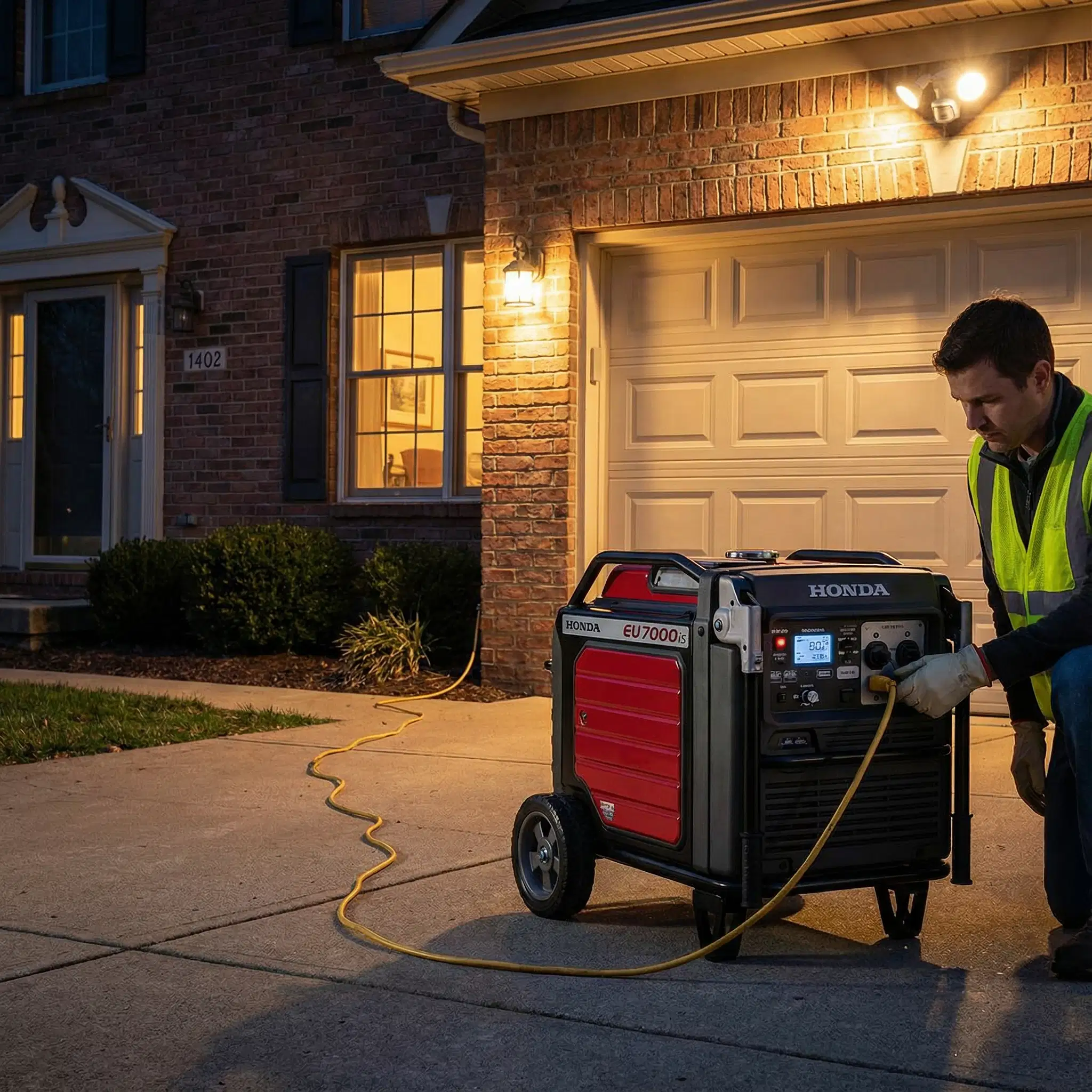
Running wattage is the continuous power required to keep an appliance running. For example, your refrigerator might require 700 watts to stay cold. Starting wattage, on the other hand, is the initial surge of extra power needed to start up an appliance with an electric motor, like your central air conditioner or well pump. This starting surge only lasts a few seconds, but it can require two to three times as much power as the running wattage. If your generator cannot handle that initial surge, the system will overload, which is often the answer to why circuit breakers keep tripping during a power transfer.
When you consult with a professional for comprehensive residential electrical services, they will help you decide between two main backup strategies:
-
Partial House Backup (Essential Circuits): This setup powers only your most critical systems during an outage. Usually, this includes the refrigerator, a few vital lighting circuits, the HVAC system, and necessary medical equipment. It requires a smaller, more budget-friendly generator.
-
Whole-House Backup: As the name suggests, this ensures everything in your home operates exactly as it would if the grid were functioning perfectly. This means you can run your central air, electric oven, smart home automation systems, and even charge your electric vehicle simultaneously. Naturally, this requires a much larger generator with a robust electrical panel capacity.
How to Calculate Home Generator Wattage Needs
If you want to get a rough estimate of your needs before calling in a professional, you can perform a basic calculation. Start by making a list of every appliance and system you want to run during a power outage. Check the manufacturer's label on each item to find its running wattage and starting wattage.
Add up the running wattage of all the items you plan to power simultaneously. Then, find the single highest starting wattage on your list and add that number to your total. This gives you a baseline estimate of the minimum wattage your generator must produce. For example, if your total running wattage for your lights, fridge, and television is 3,000 watts, and your central air conditioner requires an additional 5,000 starting watts, you will need a generator that can handle at least 8,000 watts of peak load.
However, modern homes are becoming increasingly electrified, which heavily influences these calculations. With the rapid adoption of smart home technology, energy-efficient upgrades, and residential EV charging infrastructure, the baseline power demand for the average house has grown significantly. A standard online calculator might not account for a Level 2 EV charger or a newly installed heat pump.
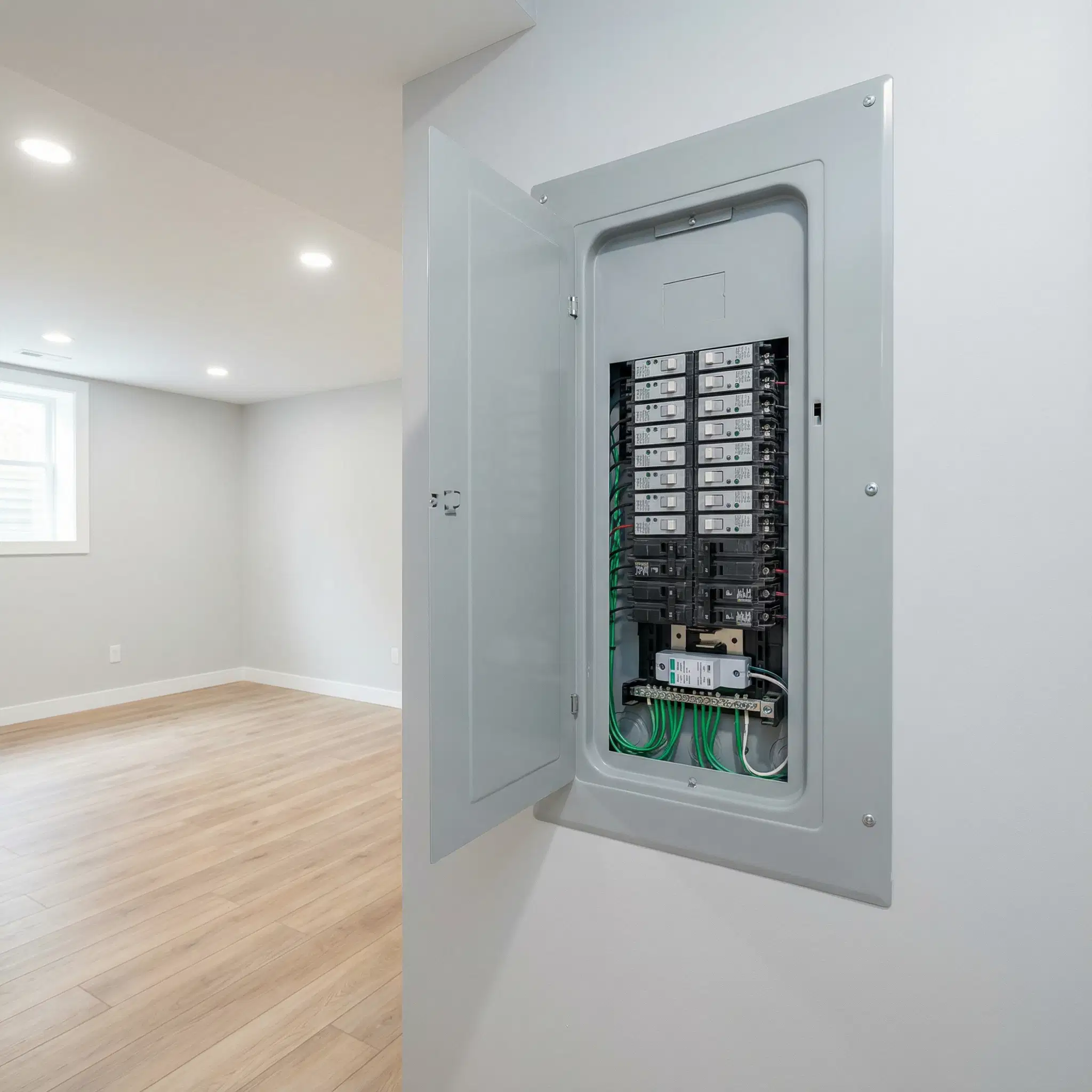
This is why a DIY calculation should only ever be a starting point. Our team at Respectable Electrical ensures a thorough and safe process starting with a detailed initial assessment of your home. We look at your current electrical panel, measure your peak load demands, and even discuss your future plans—like adding a backyard pool or a new EV—to guarantee your investment is future-proofed.
The Importance of the Automatic Transfer Switch
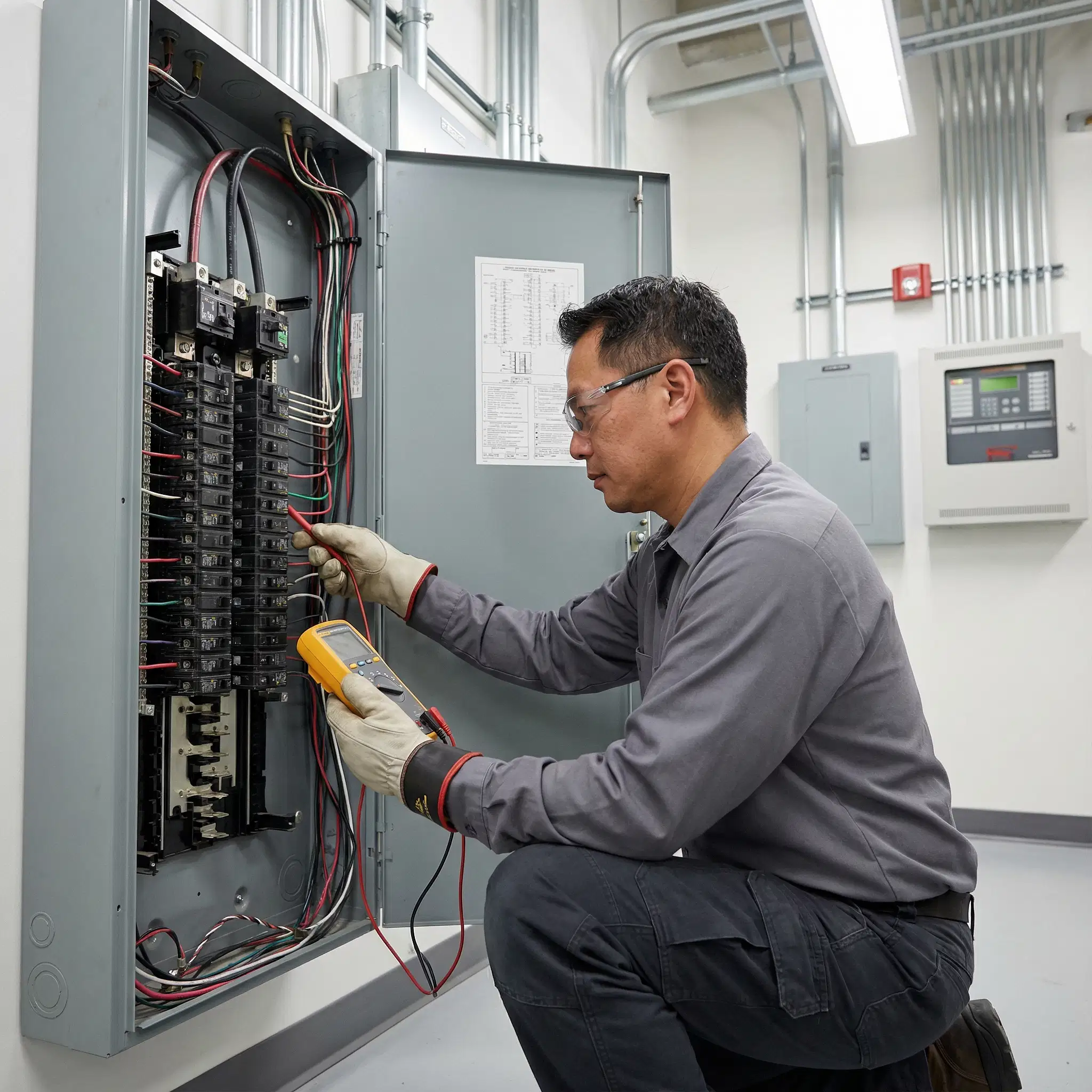
A generator is only as good as the system that connects it to your home. This is where the automatic transfer switch comes in. An automatic transfer switch is an essential component that monitors the utility power coming into your house. The moment it detects an interruption in service, it automatically signals your standby generator to start. Once the generator is running at full speed, the switch safely disconnects your home from the utility grid and connects it to the generator. When grid power is restored, the switch reverses the process seamlessly.
Navigating the automatic transfer switch requirements for home generators is a complex process. The switch must be carefully matched to both the size of your main electrical panel and the output of your generator. Furthermore, strict adherence to the National Electrical Code (NEC) is non-negotiable. Improper installation can lead to dangerous backfeeding, where generator power flows back into the utility lines, posing a lethal threat to utility workers trying to restore power.
Because we prioritize strict adherence to all local electrical codes and handle necessary permitting, you can trust that our installations are designed to protect your home and your community. We never cut corners on materials or workmanship, and every project culminates in a rigorous final inspection.
Ready to Secure Your Home's Power?
Investing in a standby generator is a significant decision, but it yields a Texas-sized return in comfort, safety, and property value. You should not have to worry about losing a fridge full of groceries, enduring a sweltering summer night without AC, or losing connection to critical medical devices.
If y'all are ready to take control of your home's power reliability, you need a partner you can trust for the long haul. At Respectable Electrical, we pride ourselves on offering tailored solutions that align with your safety needs and budget. We proudly serve Roanoke and the surrounding areas with the personalized, high-quality performance that larger corporate franchises simply cannot match.
Take the guesswork out of sizing your backup power. Reach out today to learn more about our professional generator installation and backup power services, and let our family help protect yours from the next unpredictable outage.